


Women’s nutritional needs can change with age, activity level, menstruation, pregnancy, breastfeeding, menopause, health conditions, and personal goals. That is why choosing the right diet plans for women involves more than following whichever eating trend happens to be popular. A useful plan should provide enough protein, fiber, healthy fats, vitamins, minerals, and energy while fitting your health needs, food preferences, culture, budget, and lifestyle.
What Is the Best Diet Plan for Women?
No single diet works best for every woman. The best diet plan for women is nutritionally adequate, realistic to maintain, and appropriate for your life stage, health goals, and medical needs.
The current Dietary Guidelines for Americans, 2025–2030 emphasize eating patterns based primarily on whole, nutrient-dense foods while limiting highly processed foods. Women’s requirements can also change across life stages; menstruation, pregnancy, breastfeeding, menopause, and aging can all alter nutritional priorities.
What Makes an Eating Pattern Evidence-Based?
Before comparing different eating approaches, it helps to distinguish a long-term dietary pattern from a short-term weight-loss strategy.
An evidence-based eating pattern should provide adequate nutrition, have reasonable evidence for the health outcome it claims to support, avoid unnecessary restriction, and be realistic enough to maintain. Safety also matters. Pregnancy, breastfeeding, diabetes, kidney disease, gastrointestinal conditions, medications, and a history of disordered eating can all change what is appropriate.
When comparing options, the best diet plan for women is not automatically the one promising the fastest weight loss. Dietary quality, nutritional completeness, safety, and sustainability matter too.
7 Diet Plans Women Commonly Consider
These diet plans for women range from well-established dietary patterns to more restrictive strategies. None is automatically right for everyone, so the benefits and limitations matter as much as the label.
1. Mediterranean-Style Eating

Mediterranean-style eating emphasizes vegetables, fruits, legumes, whole grains, nuts, olive oil, fish, and other minimally processed foods while generally limiting red and processed meats, sweets, and highly processed foods.
It has one of the strongest evidence bases for cardiovascular health. A Women’s Health Study analysis involving more than 25,000 women linked greater adherence to a Mediterranean-style diet with lower cardiovascular disease risk.
A major advantage is flexibility. It does not require eliminating an entire food group, counting every carbohydrate, or relying on special “diet foods”. That makes it easier to adapt to different cultures and household eating patterns.
2. The DASH Diet

DASH—Dietary Approaches to Stop Hypertension—is a balanced pattern built around vegetables, fruits, whole grains, lower-fat dairy, beans, nuts, fish, poultry, and vegetable oils while limiting excess sodium, added sugars, and foods high in saturated fat.
The National Heart, Lung, and Blood Institute describes the DASH eating plan as a flexible, heart-healthy approach designed to help lower blood pressure. Research also supports benefits for LDL cholesterol.
DASH can be especially useful for women concerned about cardiovascular health, but it is not inherently a weight-loss diet. Portion size and total energy intake still matter when weight loss is also a goal.
3. Higher-Protein Balanced Eating
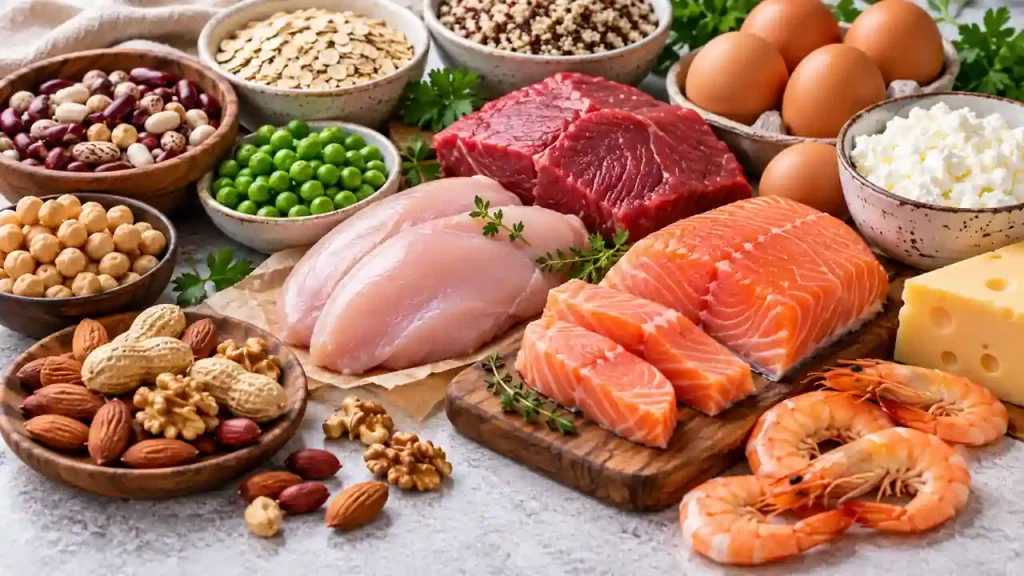
A higher-protein approach can make meals more satisfying and may help preserve lean mass during weight loss, particularly when combined with resistance exercise.
Useful protein sources include eggs, yogurt, fish, poultry, tofu, beans, lentils, nuts, and seeds. Protein needs vary with body size, age, pregnancy, activity level, health status, and training goals, so more protein is not automatically better.
If you want to broaden your protein choices, our guide to higher-protein fruits and other protein sources explains why fruit can contribute some protein but should not be treated as a primary protein source.
4. Plant-Based or Vegan Eating

A plant-forward diet makes vegetables, fruits, legumes, whole grains, nuts, and seeds central to meals without necessarily excluding animal foods. A vegan diet eliminates meat, fish, dairy, eggs, and other animal-derived foods.
Well-planned vegan diets can be nutritionally adequate, but some nutrients require deliberate attention. Vitamin B12 is especially important because, according to the NIH Office of Dietary Supplements, unfortified plant foods are not reliable natural sources of vitamin B12. People following vegan diets therefore need a dependable source of fortified foods or an appropriate supplement.
Calcium, iron, iodine, vitamin D, zinc, selenium, protein, and omega-3 fats may also require attention depending on overall food choices.
The key is replacement, not simply removal. Eliminating animal foods without replacing the nutrients they provided is not a complete nutrition strategy.
5. Low-Carbohydrate and Ketogenic Diets
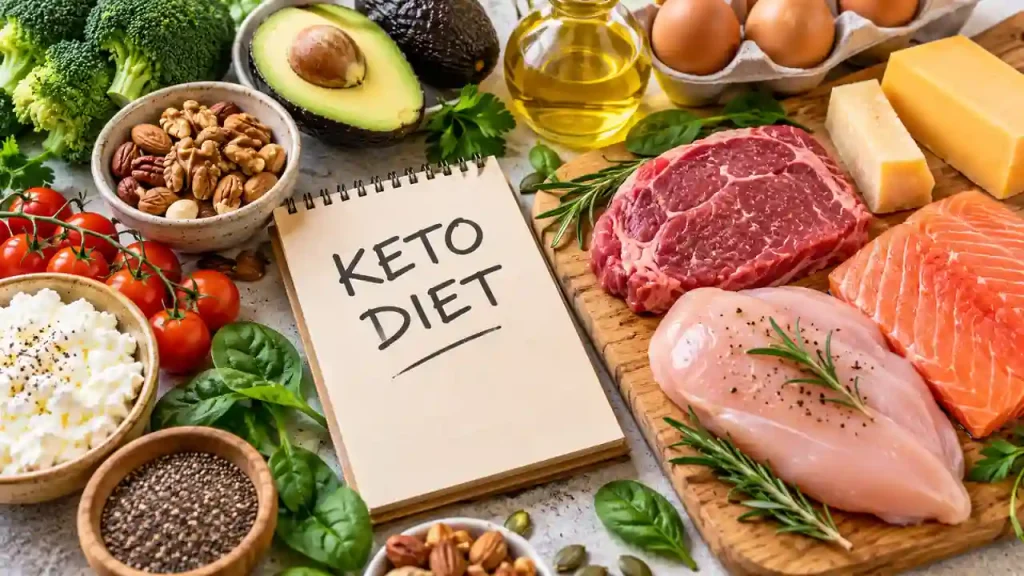
A ketogenic diet is a very-low-carbohydrate, high-fat approach designed to increase ketone production. Many versions restrict carbohydrate intake to roughly 20–50 grams per day, although protocols vary.
Keto can produce short-term weight loss for some people, but it is not automatically superior to less restrictive approaches for long-term weight management.
Food quality also matters. A ketogenic diet dominated by butter and processed meats is nutritionally different from one emphasizing olive oil, avocado, nuts, seeds, fish, and non-starchy vegetables.
Restrictive carbohydrate intake can also be difficult to sustain. Women with diabetes, those taking glucose-lowering medication, or anyone with a relevant medical condition should seek individualized guidance before making a major carbohydrate reduction.
6. Time-Restricted Eating and Intermittent Fasting
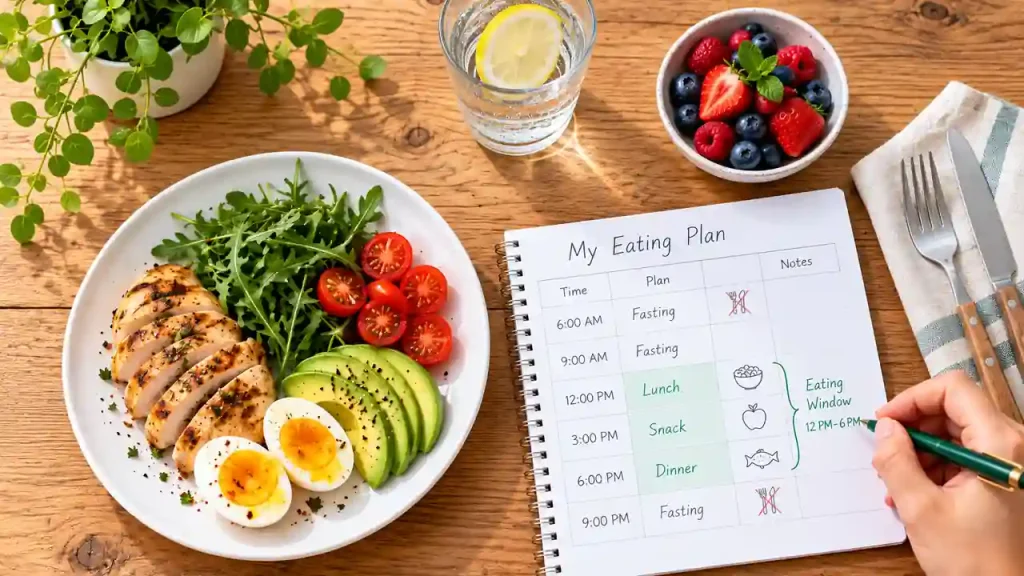
Intermittent fasting focuses primarily on when food is eaten rather than prescribing a specific food list. Common approaches include 14:10 and 16:8 time-restricted eating.
A 2025 systematic review and meta-analysis of time-restricted eating in women included 13 randomized controlled trials and 612 participants with overweight or obesity. Time-restricted eating reduced body weight, but subgroup analysis found no significant weight-loss advantage over calorie restriction alone.
That makes fasting a possible tool—not a metabolic shortcut. It may suit women who prefer a defined eating window, while others may find it uncomfortable or socially restrictive.
Pregnant or breastfeeding women, people taking medications that can cause hypoglycemia, and those with a current or previous eating disorder should seek individualized guidance before adopting restrictive fasting schedules.
7. Balanced, Flexible Eating for Everyday Health

For many women, the most practical “diet plan” is not a branded diet at all. It is a flexible pattern built around vegetables and fruits, whole grains, beans and lentils, adequate protein, nuts and seeds, unsaturated fats, and foods that fit personal and cultural preferences.
This approach may be less dramatic than a diet with rigid rules, but flexibility is one of its greatest strengths.
Hydration matters too, but there is no need for special detox water. Fluid and energy needs vary with body size, climate, activity, pregnancy, breastfeeding, diet, and health status.
Understanding the factors that affect metabolism—including body composition, physical activity, sleep, and energy intake—is more useful than searching for one food or drink that supposedly “boosts” metabolism overnight.
What About Liquid Meal-Replacement Diets?

Nutritionally formulated meal replacements are different from juice cleanses or “detox” programs.
Structured meal replacements may sometimes be used as part of supervised weight-management programs because they provide controlled amounts of energy and nutrients. Very-low-calorie approaches, however, are not appropriate for everyone and may require medical oversight.
Juice cleanses are different. They can make it difficult to obtain adequate protein, essential fats, and fiber, and they are not necessary for the body’s normal waste-processing systems.
Juicing also removes or substantially reduces much of the fiber present in whole produce. People managing blood glucose should pay particular attention to portion size and carbohydrate content; our guide to juicing for diabetics examines this issue in more detail.
How Nutrition Needs Can Change After 50
Nutrition priorities often shift through perimenopause, menopause, and later adulthood as bone health, muscle maintenance, body composition, and energy requirements change.
Protein remains important for maintaining muscle, especially when combined with resistance exercise. Calcium and vitamin D become particularly relevant for bone health, while fiber continues to support digestive and cardiovascular health.
The answer is not necessarily to eat dramatically less. For many women, the more useful goal is to make meals increasingly nutrient-dense while matching energy intake to activity level, body composition, and health needs.
Weight Loss Without Crash Dieting
Women choose diets for many reasons, but weight management remains one of the most common.
Excess body weight can be associated with a greater risk of type 2 diabetes, high blood pressure, and cardiovascular disease, but body weight is only one part of overall health.
At the same time, unrealistic appearance standards can encourage unnecessary restriction and reinforce body shame. Nutrition should support health rather than punish the body.
If weight loss is your goal, a sustainable weight-loss approach is generally more useful than a crash diet promising dramatic results in a few days.
How to Choose the Right Diet Plan
The best diet plan for women should fit real life—your health, budget, schedule, culture, food preferences, family meals, and long-term goals.
Ask five questions:
- Does it meet your nutritional needs? A diet should provide enough protein, essential fats, fiber, vitamins, minerals, and overall energy.
- Is there evidence for what it promises? Be cautious when a diet claims benefits far beyond what good research supports.
- Does it fit your health needs? Medical conditions, pregnancy, medications, food allergies, and eating-disorder history can change what is safe.
- Can you realistically maintain it? A plan that works for two weeks but conflicts with your budget, culture, or lifestyle is unlikely to be useful long term.
- How does it affect your relationship with food? A sustainable plan should not require constant guilt, fear, or obsession around eating.
Be particularly skeptical of claims that one diet “detoxes” the body, permanently resets metabolism, targets fat from one area, or works equally well for everyone.
The strongest diet plans for women are not necessarily the strictest. They provide adequate nutrition, support relevant health goals, and remain realistic enough to maintain.
Frequently Asked Questions
Which Diet Is Best for Women’s Weight Loss?
No single diet is best for every woman. Mediterranean-style, higher-protein, plant-forward, lower-carbohydrate, and time-restricted approaches can all work for some people when overall energy intake, dietary quality, medical needs, and adherence are considered.
The most effective plan is generally the one that creates an appropriate energy deficit without sacrificing nutritional adequacy or becoming impossible to sustain.
How Many Calories Should a Woman Eat to Lose Weight?
There is no universal calorie target for women. Energy requirements vary with age, height, body weight, body composition, activity level, pregnancy or breastfeeding status, and health conditions.
Generic very-low-calorie plans should therefore not be treated as standard advice for every woman.
Is Intermittent Fasting Safe for Women?
Some healthy adult women can use moderate time-restricted eating successfully, but it is not universally appropriate.
Pregnancy, breastfeeding, medications that affect blood glucose, a history of eating disorders, and certain health conditions require additional caution. If fasting produces persistent dizziness, fatigue, menstrual changes, or other concerning symptoms, seek individualized medical advice.
Which Nutrients Are Especially Important for Women?
Nutritional priorities change throughout life.
Iron deserves particular attention during menstruating years and pregnancy. Folate is especially important around conception and during pregnancy. Calcium and vitamin D support bone health, while adequate protein and fiber remain important across adulthood.
That is another reason nutrition should be matched to life stage rather than reduced to a single “women’s diet.”
Final Thoughts
Diet trends come and go, but effective diet plans for women are grounded in nutritional adequacy, dietary quality, sustainability, and individual needs rather than extreme restriction.
A Mediterranean-style pattern may suit one woman, while another may prefer DASH, plant-forward eating, a higher-protein balanced approach, or a carefully planned lower-carbohydrate strategy. Restrictive approaches such as keto or intermittent fasting can work for some people, but more rules do not automatically make a diet more effective.
Ultimately, the best diet plan for women is not necessarily a branded diet at all. It is an eating pattern that provides enough nourishment, supports your health goals, and fits realistically into your life.
If pregnancy, medication use, a chronic health condition, nutrient deficiencies, or a history of disordered eating complicates that decision, individualized guidance from a registered dietitian or another qualified healthcare professional is appropriate.



Well said and really help full for my family women.
Great information, helpful for the women. Its a great step.
I am a young adult and wanted to have a diet plan. Going with protein rich diet plans.
Thanx for writing this.
Helpfulll. 🤗🤗🤗
Effective for me.