

Whether you want to shed a few stubborn pounds or make a major lifestyle change, building healthy daily habits makes real progress possible. Understanding how to lose 30 pounds for a woman starts with setting a realistic timeline and choosing an approach that supports your health and lean muscle. For many women, losing 30 pounds can be an achievable goal, but meaningful weight loss requires patience, consistency, and sustainable habits rather than restrictive shortcuts.
Is It Safe to Lose 30 Pounds Quickly?

When setting a weight-loss goal, avoid shortcuts or extreme crash diets. Trying to lose 30 pounds in only a few weeks is not realistic for most people, and rapid weight loss can involve losing lean tissue as well as body fat.
According to the CDC, people who lose weight at a gradual, steady pace of about 1 to 2 pounds per week are more likely to keep the weight off than people who lose weight more quickly. Taking a measured approach gives your body time to adapt while you build lasting nutritional, physical, and sleep habits.
How Long Does It Take to Lose 30 Pounds?
At the CDC’s commonly cited gradual pace of about 1 to 2 pounds per week, losing 30 pounds would mathematically take roughly 15 to 30 weeks, or about 3½ to 7 months.
These figures are mathematical estimates rather than guaranteed timelines.
| Average Weekly Pace | Approximate Timeline for 30 lbs | Practical Considerations |
| 0.5 lb/week | ~60 weeks (14–15 months) | Very gentle; minimal lifestyle disruption; highly sustainable. |
| 1.0 lb/week | ~30 weeks (~7 months) | Balanced and steady, a gradual pace that may be easier to sustain for many people. |
| 1.5 lbs/week | ~20 weeks (4½–5 months) | Moderate pace; a moderate mathematical pace; individual calorie and activity needs vary. |
| 2.0 lbs/week | ~15 weeks (~3½ months) | At the upper end of the CDC’s commonly cited gradual range; it may not be appropriate or achievable for everyone. |
Note: These figures are mathematical estimates rather than guaranteed timelines. Individual progress naturally fluctuates week to week.
Why Your Weight-Loss Timeline May Differ

Every woman’s body responds differently to dietary and lifestyle adjustments. As outlined by the Office on Women’s Health, individual variables directly influence weight management timelines:
- Starting Body Composition: Women with higher initial body weight or higher starting fat mass often see faster reductions in the early weeks.
- Metabolic Rate and Age: Natural changes in lean muscle mass and resting metabolic rate over time can affect total daily energy expenditure.
- Sleep and Stress: Poor sleep and ongoing stress can affect appetite, eating behavior, energy levels, and weight management.
- Hormones and Life Stages: Menstrual-cycle changes can temporarily affect scale weight through fluid shifts, while life stages and hormonal or metabolic conditions may also influence weight management.
- Medications and Medical Background: Certain medications and underlying metabolic conditions can alter energy balance and fat metabolism.
10 Healthy Strategies to Lose 30 Pounds for Women
Sustainable progress does not rely on short-term willpower alone. These evidence-based strategies focus on consistent, daily habits that support lasting metabolic health.
1. Prioritize Consistent, Restful Sleep

Weight management is closely tied to what happens while you rest. In an NIH-funded randomized trial of adults with overweight who habitually slept less than 6.5 hours a night, participants who extended their sleep consumed about 270 fewer calories per day on average during the two-week intervention, as highlighted by the National Institutes of Health (NIH). Researchers noted that longer-term studies are still needed. Building a consistent sleep routine—and choosing foods for sound sleep—can complement your broader weight-management habits.
2. Follow a Sustainable Nutrition Plan
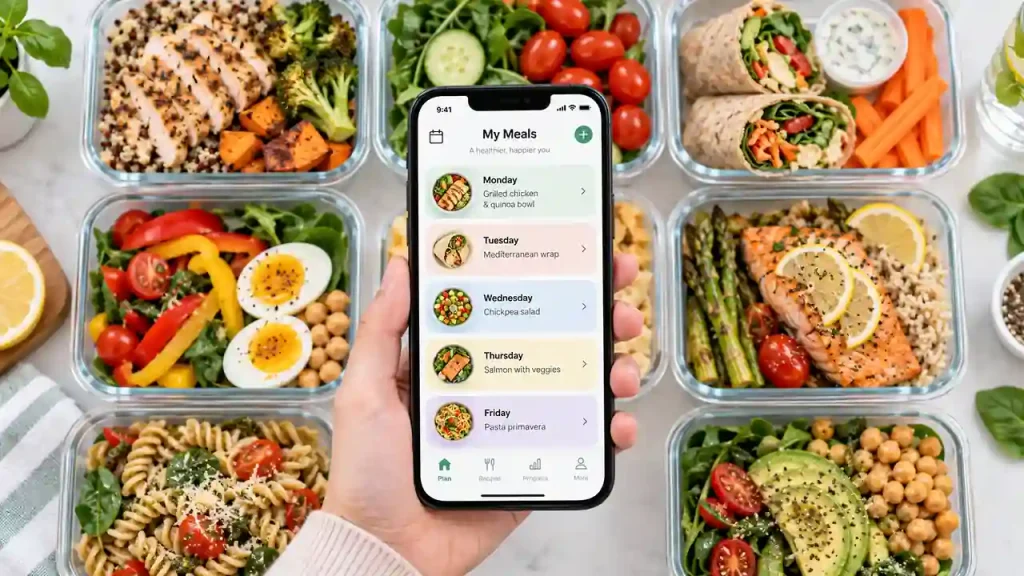
When considering how to lose 30 pounds for a woman, the sustainability of your eating pattern matters far more than extreme calorie cuts. Extreme restriction can be difficult to sustain and may contribute to hunger, cravings, or rebound eating for some people. Building an adaptable nutrition plan for weight loss that focuses on wholesome, satisfying foods can help you remain consistent over time without feeling deprived.
3. Pay Attention to Portions and Overall Intake
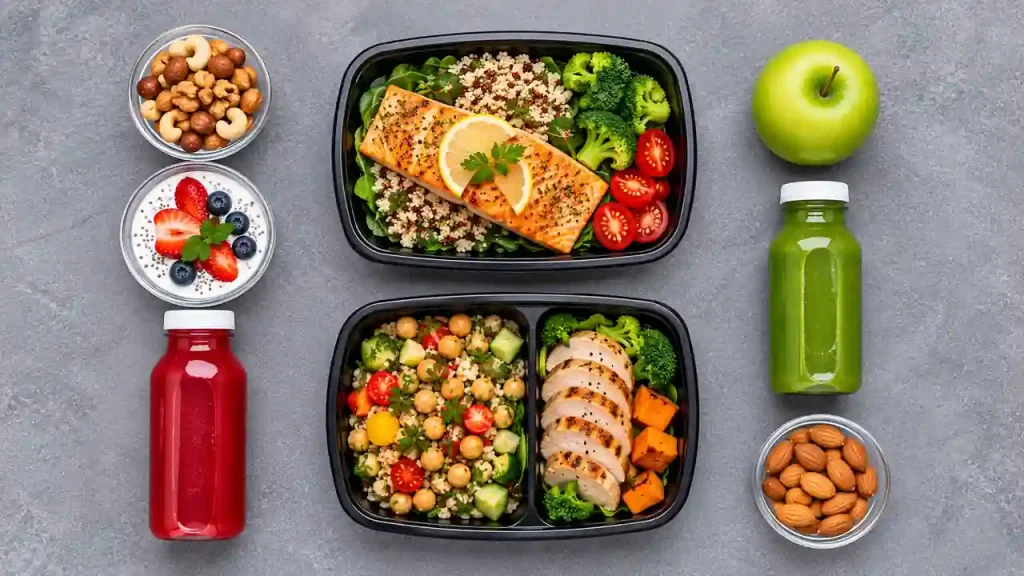
Rather than adhering to rigid meal clocks or skipping meals, focus on balanced portion sizes throughout the day. Learning how to balance your plate using a structured healthy eating plan for women ensures you receive sufficient macronutrients while keeping total calories aligned with your goals.
4. Start With Regular Physical Activity

You do not need to begin with punishing 90-minute workouts. Starting with a 30-minute brisk walk on most days can be an approachable way to increase physical activity and support cardiovascular health. If you are recovering joint mobility or prefer lower-impact movement at home, practicing gentle yoga for weight loss is an approachable way to build physical consistency and reduce stress.
5. Create a Moderate, Realistic Energy Deficit
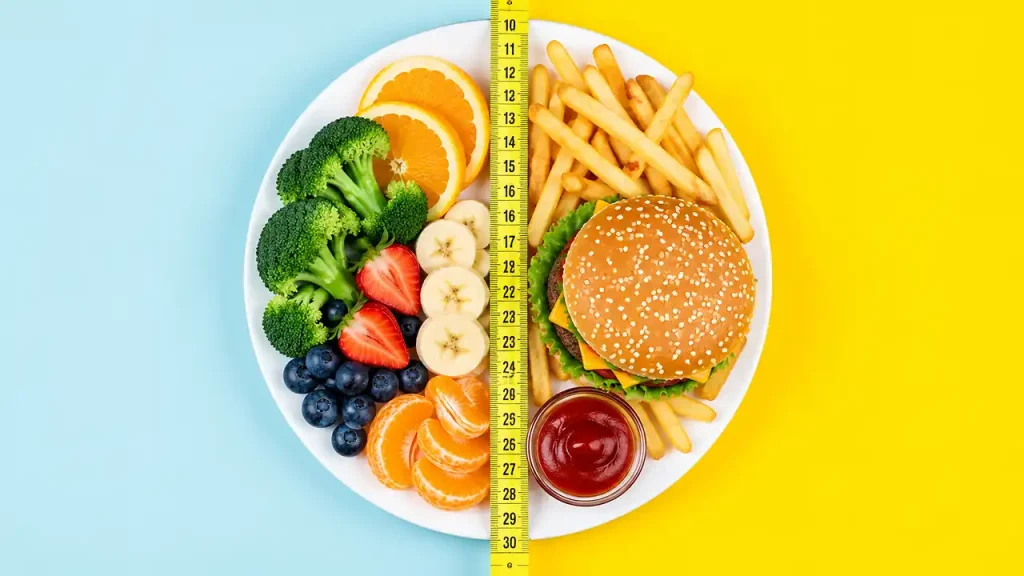
Understanding how to lose 30 pounds for a woman requires recognizing that weight loss depends on creating an energy deficit, but the appropriate calorie intake varies with body size, age, activity level, health status, and other individual factors. According to NIDDK clinical guidance, a moderate deficit of about 500 to 750 calories per day is often used as a starting framework, but calorie targets should be individualized rather than treated as a universal prescription. A registered dietitian or healthcare professional can help determine an appropriate target, especially when pursuing substantial weight loss.
6. Stay Consistently Hydrated

Adequate hydration supports normal digestion, kidney function, and energy levels. Replacing sugary beverages, energy drinks, and specialty coffees with water naturally removes surplus calories from your routine.
7. Limit Highly Processed, Calorie-Dense Foods

Many ultra-processed snack foods, packaged pastries, and similar calorie-dense products can provide substantial calories in relatively small portions. You do not need to eliminate your favorite foods, but moderating portions and frequency can make it easier to stay within your overall energy needs.
8. Prioritize Dietary Protein

Adequate dietary protein can support lean mass during weight loss and may also help with fullness. Including quality sources—such as eggs, poultry, Greek yogurt, lentils, beans, and tofu—helps keep you full between meals. Starting your morning with a balanced, healthy breakfast for weight loss that features protein sets an even appetite baseline for the rest of the day.
9. Eat More Whole Vegetables and High-Fiber Foods

Whole vegetables, legumes, fruits, and whole grains provide vitamins, minerals, and dietary fiber while adding volume and variety to meals. Fiber-rich foods can also support fullness and digestive health. Incorporating hearty servings of leafy greens and roasted produce into your healthy dinner ideas adds satisfying plate volume with relatively few calories.
10. Combine Cardio With Muscle-Strengthening Activity
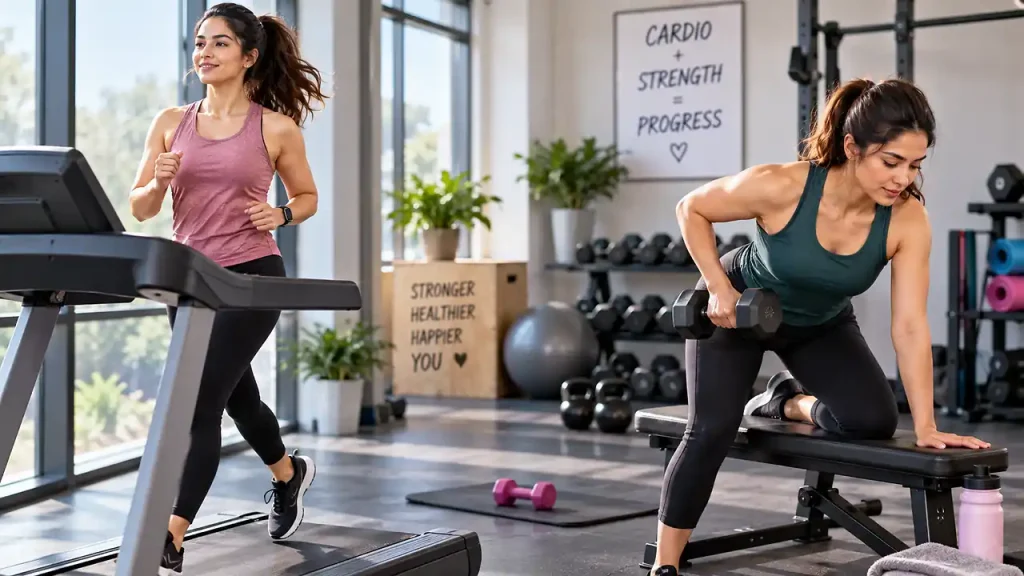
Aerobic exercise supports cardiorespiratory health, but muscle-strengthening activity complements aerobic exercise by supporting strength and helping preserve lean mass during weight loss. The CDC recommends that adults include at least 150 minutes of moderate aerobic activity per week alongside at least two days of muscle-strengthening exercises. Combining both forms of exercise protects metabolic rate and improves functional strength over time.
Final Thoughts
Ultimately, learning how to lose 30 pounds for a woman means focusing on steady, sustainable lifestyle changes rather than quick fixes. Using the CDC’s commonly cited gradual pace as a reference, losing 30 pounds may take roughly 3½ to 7 months, but individual timelines can be shorter or longer. Focus on sustainable eating, regular movement, muscle-strengthening activity, adequate sleep, and habits you can maintain beyond the number on the scale.



Leave a Reply