

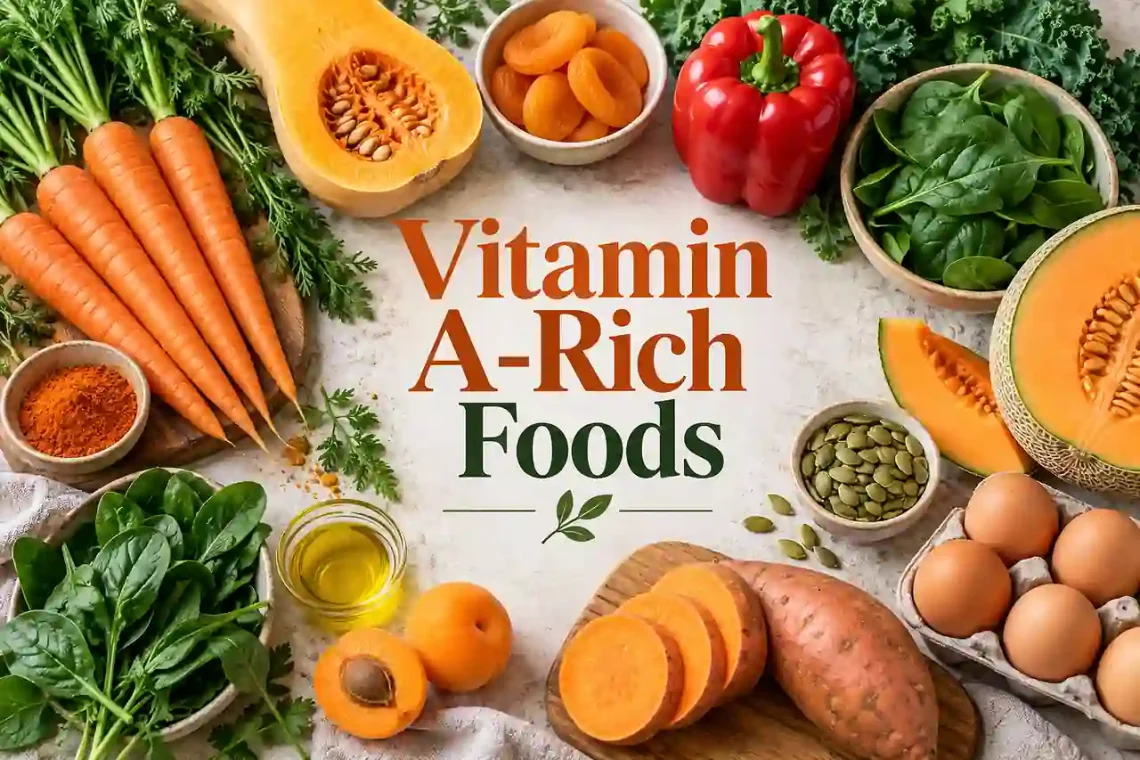
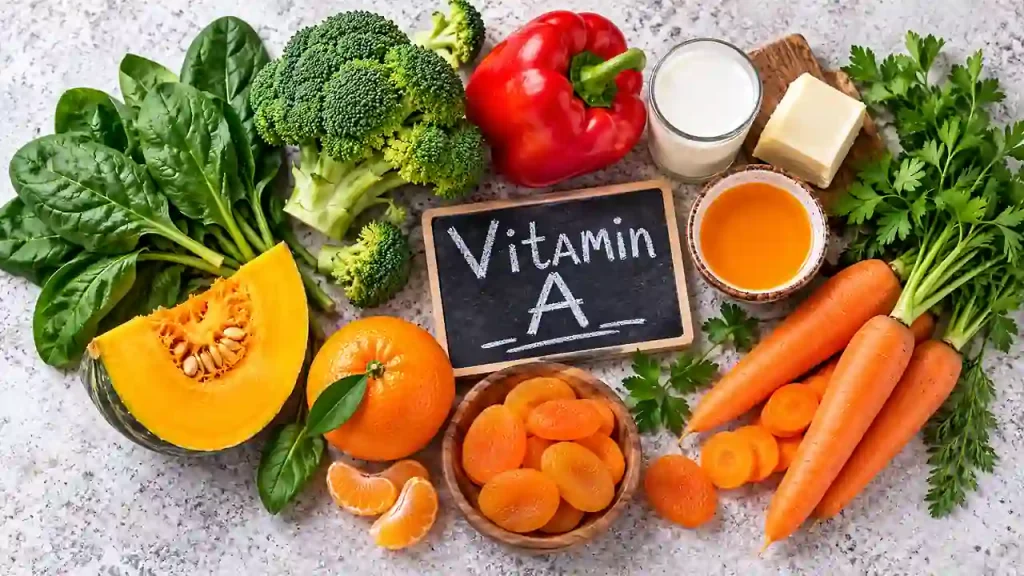
Vitamin A-rich foods provide an essential nutrient your body needs for normal vision, immune function, growth, reproduction, and healthy cell development. Vitamin A comes from both animal and plant foods, but these sources provide different forms that the body uses differently. From liver and eggs to sweet potatoes, carrots, spinach, and cantaloupe, a varied diet can help most people meet their daily vitamin A needs.
When discussing dietary intake, nutritional guidelines measure vitamin A in micrograms of retinol activity equivalents (mcg RAE) rather than broad milligram estimates. This distinction accounts for how your body metabolizes different sources:
- Preformed Vitamin A (Retinol & Retinyl Esters): Sourced directly from animal products such as organ meats, oily fish, eggs, and dairy. This form is immediately bioavailable and biologically active.
- Provitamin A Carotenoids (Mainly Beta-Carotene): Sourced from pigmented plant foods—primarily dark leafy greens and orange or yellow produce. Your digestive system converts these carotenoids into active vitamin A as needed.
Building a well-rounded diet requires knowing which foods deliver meaningful amounts, how your body absorbs them, and how to safely meet your daily target.
Why Do We Need Vitamin A-Rich Foods?
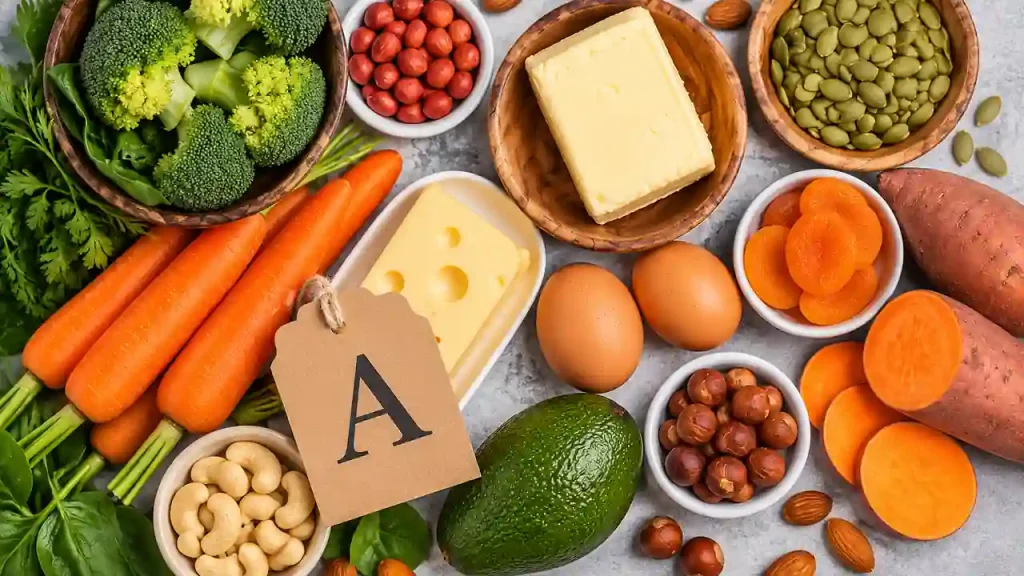
Because the body cannot make vitamin A on its own, you need to obtain it regularly through food. Adequate levels support epithelial tissue integrity—the biological lining that protects respiratory passages, the gastrointestinal tract, and the ocular surface against external pathogens.
Plant carotenoids and animal retinols follow different metabolic pathways. While animal sources supply retinol directly, plant-derived beta-carotene requires dietary lipids for optimal absorption. Consuming plant carotenoids alongside a healthy fat—such as olive oil, nuts, or seeds—substantially increases how much active nutrient your body ultimately converts and utilizes.
How Much Vitamin A Do You Need Daily?
Dietary requirements fluctuate across different life stages. The National Institutes of Health (NIH) Office of Dietary Supplements provides clear Recommended Dietary Allowances (RDAs) based on daily mcg RAE benchmarks:
| Demographic Group | Recommended Daily Allowance (RDA) |
| Adult Women (19+ years) | 700 mcg RAE |
| Adult Men (19+ years) | 900 mcg RAE |
| Pregnant Individuals (19+ years) | 770 mcg RAE |
| Lactating Individuals (19+ years) | 1,300 mcg RAE |
(Note: The daily value (DV) used on general US nutrition labels is set at an across-the-board reference of 900 mcg RAE for adults and children aged 4 years and older.)
10 Vitamin A-Rich Foods: At-a-Glance Comparison
The following table provides standardized serving sizes and approximate values grounded in established food-composition data:
| Food Source | Serving Size / Preparation | Vitamin A (mcg RAE) | Daily Value (% DV)* | Primary Form |
| Beef Liver | 3 oz (pan-fried) | 6,582 mcg | 731% | Preformed Vitamin A (Retinol) |
| Sweet Potato | 1 whole (baked in skin) | 1,403 mcg | 156% | Provitamin A (Beta-Carotene) |
| Spinach | ½ cup (frozen, boiled) | 573 mcg | 64% | Provitamin A (Beta-Carotene) |
| Carrots | ½ cup (raw, sliced/chopped) | 459 mcg | 51% | Provitamin A (Beta-Carotene) |
| Ricotta Cheese | 1 cup (part-skim) | 263 mcg | 29% | Preformed Vitamin A (Retinol) |
| Fortified Skim Milk | 1 cup | 149 mcg | 17% | Preformed Vitamin A (Retinol palmitate) |
| Cantaloupe | ½ cup (raw, cubed) | 135 mcg | 15% | Provitamin A (Beta-Carotene) |
| Red Bell Pepper | ½ cup (raw, chopped) | 117 mcg | 13% | Provitamin A (Beta-Carotene) |
| Mango | 1 whole (raw) | 112 mcg | 12% | Provitamin A (Beta-Carotene) |
| Hard-Boiled Egg | 1 large | 75 mcg | 8% | Preformed Vitamin A (Retinol) |
*Note: Daily Values (% DV) are based on the FDA reference value of 900 mcg RAE for adults and children aged 4 and older. Source: National Institutes of Health (NIH) Office of Dietary Supplements.
10 Vitamin A-Rich Foods: Detailed Breakdown
1. Beef Liver
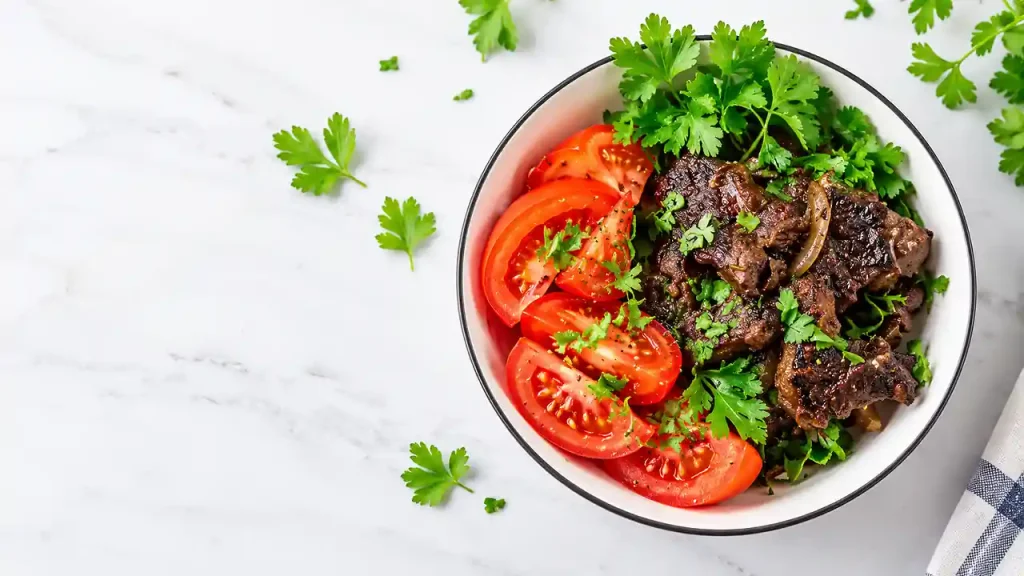
Beef liver is by far the most concentrated dietary source of preformed vitamin A. A single 3-ounce serving delivers upwards of 6,500 mcg RAE, which is more than seven times the daily value for an adult.
Important Safety Note: Because liver is exceptionally high in preformed vitamin A, more is not necessarily better. The adult Tolerable Upper Intake Level (UL) for preformed retinol is 3,000 mcg RAE per day. Excessive preformed vitamin A can accumulate in the liver and cause adverse health effects. Pregnant women should be particularly cautious with high intakes of preformed vitamin A because excessive intake can increase the risk of birth defects. Liver should be eaten occasionally and in moderate portions.
2. Sweet Potato

Baked sweet potatoes are among the premier plant sources of provitamin A. One whole sweet potato baked in its skin provides approximately 1,403 mcg RAE, delivering an impressive 156% of an adult’s daily requirement in the form of beta-carotene. The natural starch and fiber profile makes it a versatile whole-food carbohydrate. Because consuming carotenoid-rich foods with some dietary fat can improve carotenoid absorption, try pairing sweet potato with a small amount of olive oil, nuts, seeds, or another source of healthy fat.
3. Spinach (Cooked vs. Raw)
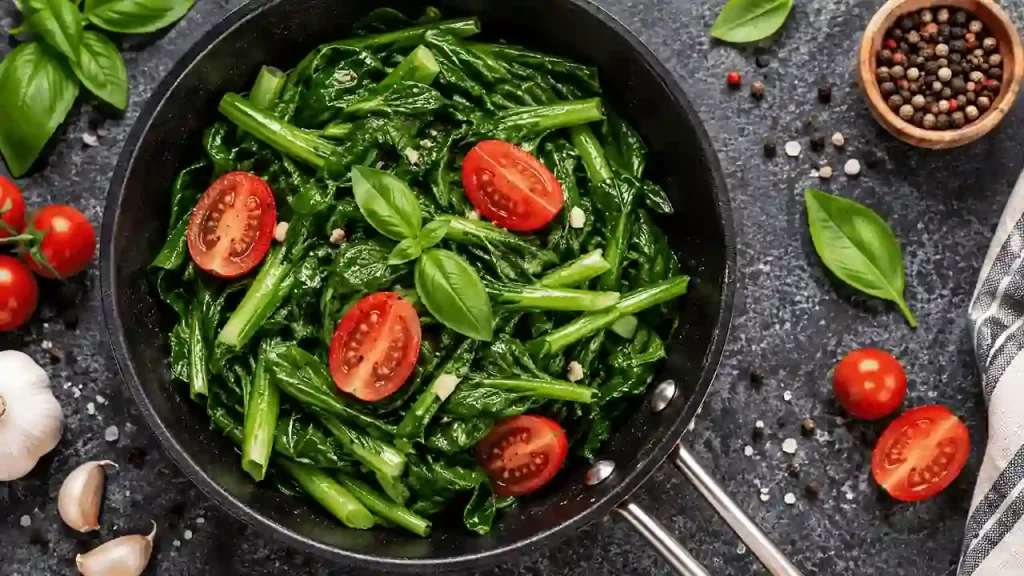
Spinach is a nutrient-dense leafy green, but the preparation method significantly changes its nutrient concentration per volume. One cup of raw spinach provides approximately 140 mcg RAE (~16% DV). However, boiling or steaming concentrates the nutrients, with just ½ cup of boiled spinach providing roughly 573 mcg RAE (64% DV). Cooking also softens the plant’s cellular matrix, improving the bioavailability of its carotenoids.
4. Cooked Carrots

Carrots have long been synonymous with beta-carotene. A standard ½-cup serving of raw carrots provides about 459 mcg RAE (51% DV). While eating raw carrots contributes crisp texture and fiber, light steaming or roasting can also soften the plant tissues, making the fat-soluble carotenoids even easier for digestive enzymes to liberate and absorb. Carrots support the visual cycle without supplying the toxicity risks linked to excess animal retinol.
5. Cantaloupe
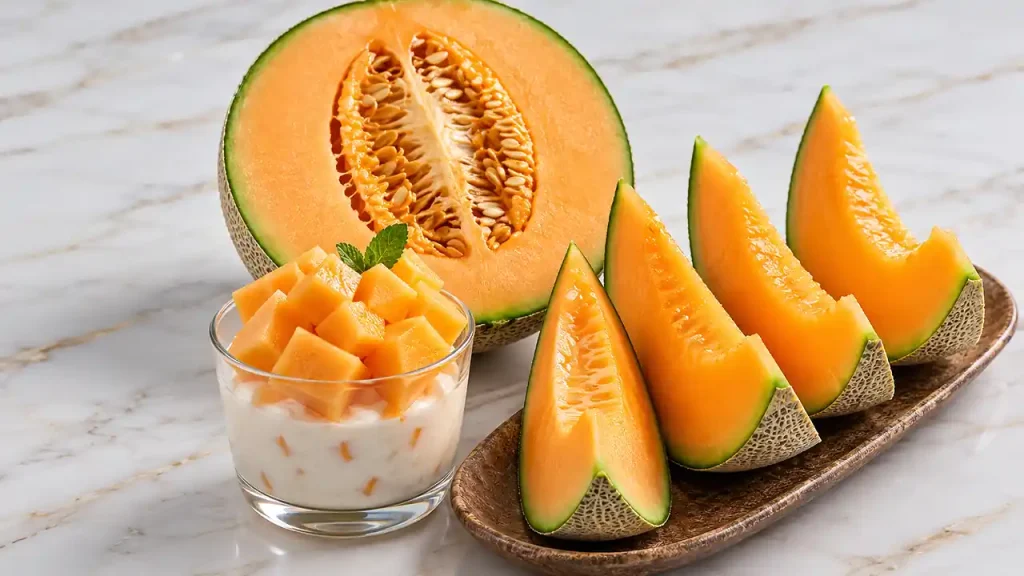
Among refreshing melons, cantaloupe is an accessible, hydrating fruit source of beta-carotene. Delivering roughly 270 mcg RAE per cup, cantaloupe provides nearly a third of your daily vitamin A requirement alongside vitamin C and potassium. Incorporating cantaloupe slices into a wholesome morning routine or pairing them with raw nuts ensures balanced energy without unnecessary added sugars.
6. Hard-Boiled Eggs

Whole eggs provide bioavailable, preformed vitamin A along with high-quality protein, choline, and lutein. A single large hard-boiled egg supplies about 75 mcg RAE, concentrated almost exclusively in the egg yolk. Because egg yolks naturally contain dietary lipids, the preformed vitamin A is paired with egg yolks, which naturally contain fat, which also helps the body absorb fat-soluble nutrients. Because egg yolks naturally contain dietary lipids, their vitamin A comes packaged with fat that supports absorption.
7. Red Grapefruit
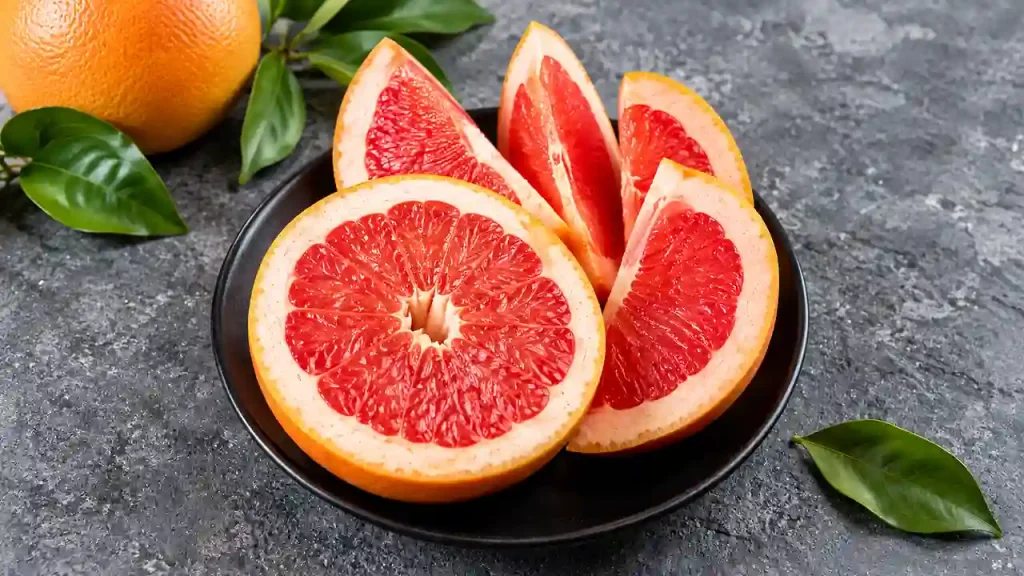
Red and pink grapefruits deliver small amounts of provitamin A carotenoids, alongside notable concentrations of vitamin C and lycopene. A half-grapefruit provides approximately 89 mcg RAE. It offers a light, citrus-driven addition to a healthy eating plan when aiming to expand micronutrient variety across your weekly grocery cart.
8. Mango
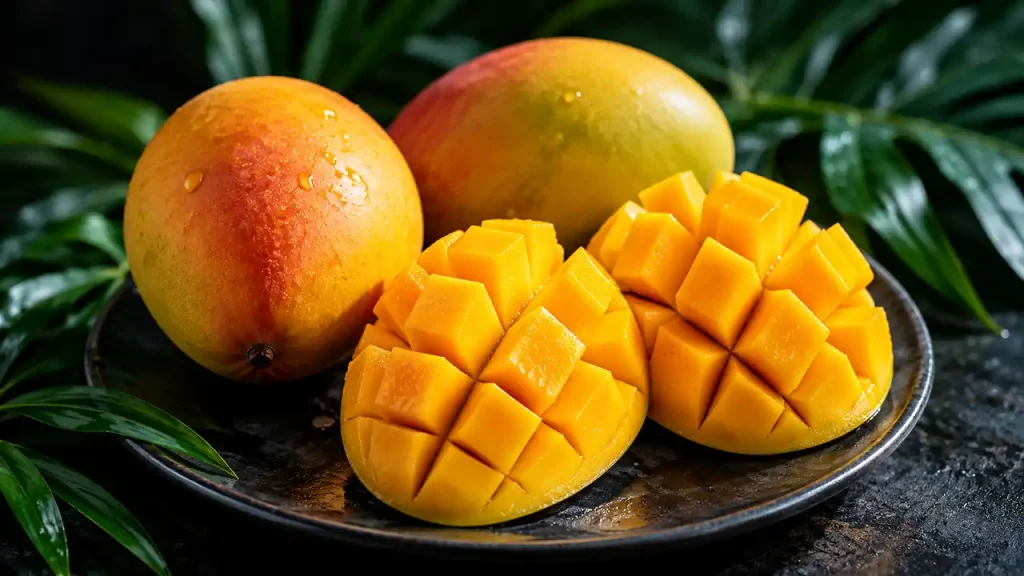
A cup of fresh, sliced mango delivers approximately 89 mcg RAE. In addition to beta-carotene, mangoes contain valuable dietary fiber, vitamin C, and polyphenols. Mango pairs effectively with unsweetened Greek yogurt or high-protein seeds, balancing its natural sweetness with sustained morning satiety.
9. Cream Cheese

Dairy items, including cream cheese, butter, and whole-milk products, contribute small amounts of preformed vitamin A. A standard one-ounce serving (about two level tablespoons) of plain cream cheese supplies around 87 mcg RAE. While dairy products contribute to baseline retinol levels, they provide modest amounts compared to orange vegetables and should be balanced within individual caloric and saturated-fat goals.
10. Papaya
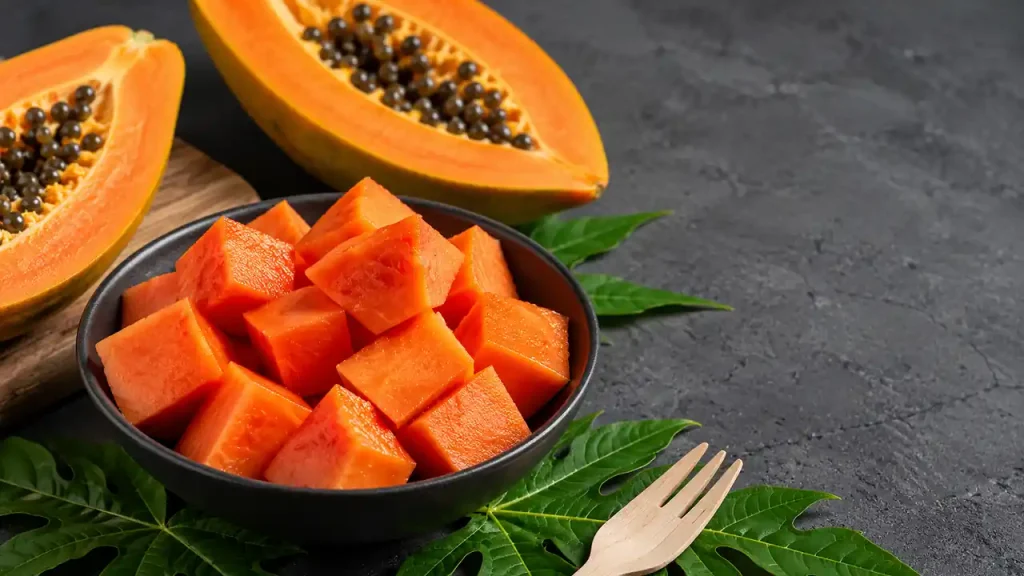
Delivering roughly 78 mcg RAE per cup of cubed fruit, papaya is a refreshing, antioxidant-dense option. Papaya supplies provitamin A carotenoids alongside the enzyme papain, folate, and vitamin C. Incorporating papaya into fresh fruit bowls offers digestive comfort and a steady micronutrient boost.
Why Are Vitamin A-Rich Foods Important for the Body?
Every essential micronutrient serves distinct biological tasks. Vitamin A plays multiple physiological roles:
1. Vision & Low-Light Visual Function

Vitamin A is an irreplaceable component of rhodopsin, a light-sensitive opsin protein located in the retina’s rod cells. Rhodopsin allows the retina to process images and distinguish contrast in dim light. The earliest clinical symptom of systemic vitamin A deficiency is often night blindness (nyctalopia). Adequate intake supports overall corneal integrity and conjunctival membrane moisture.
2. Normal Immune Function

Vitamin A supports normal immune function and helps maintain protective tissues in the gut, lungs, and eyes. It preserves structural barrier defenses across mucosal linings in the gut, lungs, and eye surface, which represent the body’s first physical wall against pathogens. Furthermore, research synthesized by the NIH Vitamin A Consumer Fact Sheet underscores its role in the normal maturation and signaling of white blood cells (including T- and B-lymphocytes).
3. Cell Growth and Development
Vitamin A regulates cellular transcription, guiding how stem cells replicate and mature into specialized tissues throughout the body. This function makes adequate vitamin A indispensable during rapid growth stages—including infancy, childhood development, and everyday tissue maintenance.
4. Skin and Epithelial Tissue Health

Epithelial cells form the outer skin barrier as well as internal cellular lining systems. Vitamin A supports normal epithelial cellular turnover and structural keratinization. While adequate dietary vitamin A supports skin barrier integrity, consuming vitamin A-rich whole foods is not an equivalent replacement for targeted dermatological therapies, such as prescription topical or oral retinoids.
5. Reproduction and Fetal Development

Vitamin A is required for reproductive health in both men and women, supporting gametogenesis and normal ovarian cycle biology. During pregnancy, careful maintenance of vitamin A levels supports embryonic cellular growth, skeletal development, and organ formation.
Can You Get Too Much Vitamin A?
Because vitamin A is fat-soluble, the body stores excess amounts in the liver rather than readily excreting them in urine. Understanding the safety threshold between preformed retinol and beta-carotene is essential:
- Preformed Vitamin A Toxicity (Hypervitaminosis A): Consuming excessive preformed vitamin A from high-dose dietary supplements or frequent meals of organ meats (like liver) can cause serious health issues. Symptoms of chronic toxicity include intracranial pressure, nausea, bone and joint pain, liver damage, and skin peeling. According to the NIH guidance on dietary supplements during pregnancy, pregnant individuals must not exceed the Tolerable Upper Intake Level (UL) of 3,000 mcg RAE per day of preformed vitamin A due to documented risks of fetal malformations.
- Provitamin A Carotenoids (Food Safety): Consuming substantial amounts of beta-carotene from carrots, pumpkins, or sweet potatoes does not cause hypervitaminosis A. The human body downregulates the conversion of beta-carotene to retinol as internal stores saturate. The most notable result of very high dietary carotenoid intake is carotenodermia—a harmless, reversible yellow-orange discoloration of the skin (frequently visible on palms and soles) that fades when intake is moderated.
Final Thoughts
Meeting your daily nutritional targets does not require strict restriction or high-dose supplementation. Prioritizing a varied diet with colorful vitamin A-rich foods—like roasted sweet potatoes, steamed carrots, and leafy spinach paired with modest animal sources like eggs—gives your body the balanced support it needs for optimal vision, immune defense, and cellular health.



Good one… healthy 🍲